


Day-case robotic and laparoscopic gallbladder surgery
What does day-case surgery mean?
Day-case surgery means you are admitted to hospital, have your operation, recover, and usually go home on the same day without an overnight hospital stay. Day surgery is supported by modern anaesthesia, keyhole surgical techniques, good pain control, early mobilisation and clear discharge advice.
Many patients can go home safely on the same day after keyhole gallbladder surgery. For others, a 23-hour stay may be recommended, allowing a short period of overnight observation before discharge the following morning.
The decision between same-day discharge and a 23-hour stay depends on your symptoms, general health, anaesthetic recovery, home circumstances and the complexity of the operation. Whether you have day-case surgery or a 23-hour stay, the aim is the same: safe, expert keyhole gallbladder removal with a smooth recovery and early return home.
About gallbladder removal
The medical name for gallbladder removal is cholecystectomy. The operation is performed under a general anaesthetic, meaning you are asleep and do not feel pain during the procedure.
Both robotic-assisted and laparoscopic cholecystectomy are forms of keyhole surgery. Several small cuts are made in the abdomen. A camera and fine instruments are used to remove the gallbladder. Carbon dioxide gas is used to gently inflate the abdomen so the surgeon can see clearly. This can cause temporary bloating or shoulder-tip pain afterwards.
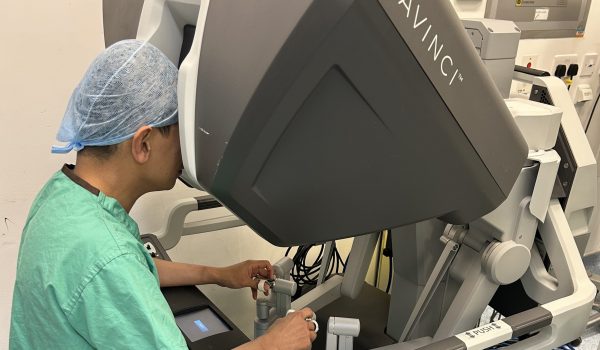
Robotic-assisted cholecystectomy
Robotic-assisted cholecystectomy is an advanced form of keyhole surgery. The surgeon remains fully in control throughout the operation and uses a robotic platform to control fine instruments with enhanced precision, stable high-definition vision and improved instrument movement. The main aim remains the same: safe removal of the gallbladder, careful identification of the anatomy and a smooth recovery.
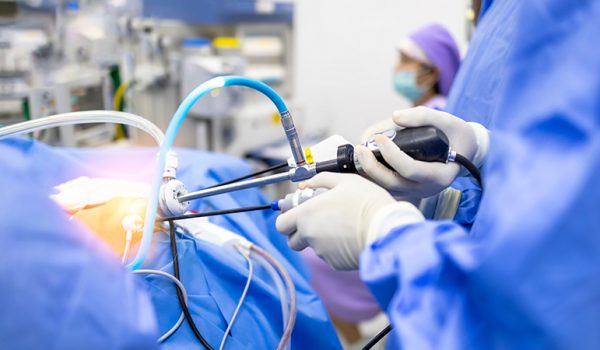
Laparoscopic cholecystectomy
Benefits of a day-case approach
For suitable patients, day-case gallbladder surgery can offer:

Same-day discharge when safe and appropriate


Who is suitable for day-case surgery?
Day-case surgery is usually most suitable for patients who are medically fit, have good home support and can be safely discharged after anaesthetic recovery. Keyhole gallbladder surgery can commonly be delivered as a day-case procedure when patients are appropriately selected and given good information before and after surgery.
Day-case surgery may not be appropriate if there are significant medical conditions, severe inflammation, complications of gallstones, unexpected operative findings, slow recovery after the anaesthetic, or no suitable adult to accompany or support you at home.

Possible risks and complications
Gallbladder surgery is commonly performed and most patients recover well. However, all operations carry some risks.
These include:
Infection
Blood clots in the legs or lungs
Bile leak
Injury to the bile duct, bowel, liver or nearby structures
Retained stones in the bile duct
Need for further tests, procedures or surgery
Conversion from keyhole surgery to open surgery, although this is uncommon
Ongoing indigestion, bloating, loose stools or diarrhoea in some patients
Your Day Surgery Journey
My goal is to provide clear, honest information, answer your questions, and guide you through the process with care and confidence. Whether you are experiencing ongoing symptoms or seeking a second opinion, I am here to help you make the right decision for your health.
Before your operation: preoperative assessment
You will usually have a preoperative assessment to check your fitness for day surgery. This is an appointment with a nurse, either in person or by video or telephone call.
Please tell the team about medical conditions, allergies, previous anaesthetics, all regular medicines, blood thinners, diabetes medication and any recent illness.
You should arrange:
- Transport home from hospital
- A responsible adult to stay with you for the first 24 hours
- Time off work and help at home if needed
- Loose, comfortable clothing for the day of surgery
You must follow the fasting instructions given by the hospital. This is important for anaesthetic safety.
You will be given clear information on when to stop eating and drinking, whether to continue your usual medicines, what to bring to hospital and whether an overnight stay may be needed.
On the day of surgery
You will meet Mr Liau and members of the surgical, nursing and anaesthetic teams. Mr Liau will confirm the details of the operation and answer any final questions. Consent will usually have been discussed in clinic, and you may also have received an online consent form and patient information before the day of surgery.
The anaesthetist will also see you on the day to discuss the anaesthetic and postoperative pain relief.
The operation commonly takes around 45-90 minutes, although this varies. Some patients may need a longer operation depending on inflammation, scarring, anatomy or previous surgery.
Going home after surgery
Before discharge, the team will check that you are awake, comfortable, able to drink, able to pass urine if needed, able to mobilise safely and safe to go home. You will need someone to take you home and usually someone to stay with you for the first 24 hours.
For day-surgery patients, the usual discharge expectations are:
- Pain controlled with oral painkillers
- Nausea or sickness controlled
- Able to tolerate fluids and light food
- Able to mobilise safely
- Stable observations
- Suitable support at home
You may need to stay overnight if pain or sickness is not controlled, you are very drowsy after anaesthetic, there are concerns about bleeding, bile leak, infection or your observations, the operation was more complex than expected, or there is no suitable adult to support you at home.
The first 24 hours after surgery
Anaesthetic and sedation can affect judgement, coordination and memory for at least 24 hours. During this period, you should not drive, drink alcohol, operate machinery, cook using hot appliances, sign legal documents or make important decisions.
You should rest, drink fluids, eat light meals and take pain relief as advised. Regular gentle walking is encouraged from the first day after surgery.
Reducing the risk of blood clots
Moving around early helps reduce the risk of blood clots. Lying in bed for too long can allow blood to pool in the legs, increasing the risk of deep vein thrombosis, or DVT.
Gentle walking and simple leg exercises, such as bending your knees and ankles or rotating your feet, can help improve circulation. Some patients may be given compression stockings or a blood-thinning injection, depending on their individual risk. The nursing or medical team will explain whether this applies to you.
Recovery and Aftercare

Recovering at Home
Common symptoms after surgery
It is normal to have:
- Soreness around the wounds
- Bruising
- Bloating or trapped wind
- Shoulder-tip pain
- Tiredness for several days
- Mild nausea
- Temporary loose stools or indigestion
Most symptoms gradually improve over 1-2 weeks.
Eating and drinking
Start with light meals and increase gradually. Many people return to a normal diet quickly. Some patients prefer a lower-fat diet for the first few days because fatty foods may temporarily cause bloating, indigestion or loose stools. Long term, most people can eat normally without a gallbladder.
Pain relief
You may be advised to take regular simple pain relief such as paracetamol and, if suitable for you, a short course of stronger opiate-based pain relief. The anaesthetist will prescribe pain relief appropriate for you.
Do not drive or drink alcohol while taking strong opioid painkillers.
Wound care
Keep wounds clean and dry. Follow the discharge instructions about dressings and showering given by the nursing team. Mr Liau usually uses dissolvable stitches and surgical glue to protect the wounds; these do not usually require removal.
Contact the hospital or your GP if wounds become increasingly red, swollen, painful, hot, or has pus.

Returning to Normal Activities
Activity and exercise
Gentle walking is encouraged from the day of surgery. Increase activity gradually. Avoid heavy lifting, strenuous exercise and abdominal strain for around 2-4 weeks, or as advised by Mr Liau.
Driving
Many patients are able to drive again after about 1-2 weeks, but this varies. You should only drive when you are alert, no longer taking strong opioid painkillers, can move comfortably, can wear a seatbelt safely and could perform an emergency stop. You may wish to check with your insurer if unsure.
Returning to work
Recovery depends on your job and the complexity of surgery.
- Desk-based work: often 1-2 weeks
- Manual work, lifting or physically demanding roles: often 2-4 weeks or longer if advised
Ongoing Care and Follow-Up
When to seek urgent medical advice
Contact your surgical team, GP, NHS 111, or attend the Emergency Department if you develop:
- Fever or chills
- Worsening abdominal pain
- Persistent vomiting
- Yellow skin or eyes
- Dark urine or pale stools
- Increasing redness, swelling, discharge or bleeding from wounds
- Chest pain
- Shortness of breath
- Calf pain or leg swelling
- Inability to eat, drink, pass urine or mobilise
If you develop symptoms suggestive of a blood clot, such as pain or swelling in the leg, the skin of the leg feeling hot or discoloured, or veins near the surface of the leg appearing larger than normal, seek urgent medical advice. This may involve contacting NHS 111, your GP, the hospital team, or attending the Emergency Department. If you have chest pain, shortness of breath, collapse, or cough up blood, call 999.
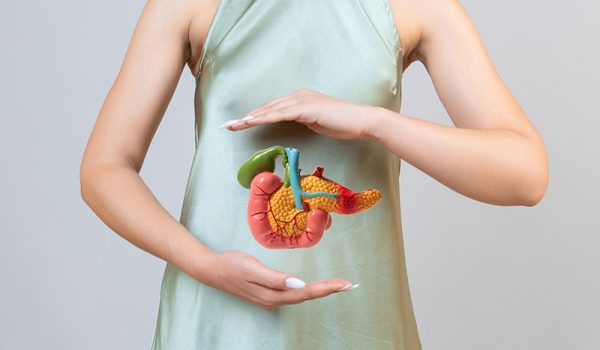
What happens to the gallbladder?
Follow-up
Mr Liau’s secretary will organise a clinic follow-up, usually 4-6 weeks after surgery, to check your progress and discuss the histology result of your gallbladder.